KANGAROO SANCTUARY
Raised by hand. Released to the wild.
We are a volunteer-run charity rescuing orphaned and injured kangaroos and wallabies across South Australia — bottle-feeding them through the night, healing what the road broke, and walking them back out to country when they are ready.
1,240+
Rescues attended since 2009
63
Joeys in carer homes today
84%
Of survivors returned to the bush
112
Trained volunteers on call
WHO WE ARE
Twelve thousand kangaroos are hit on South Australian roads each year. We answer for the ones who survive.
Kangaroo Sanctuary South Australia Inc began in 2009 around one kitchen table and three hanging pouches.
Our mission is to rescue, rehabilitate, and protect kangaroos in need, with an unwavering commitment to their care. We promise to always put our animals first—providing safety, compassion, and lifelong advocacy—while upholding the Five Freedoms.
We are not a zoo and we are not open for casual visits. Every animal here is a patient or an orphan, and every one of them is being prepared to leave us.
WHAT WE DO
Three stages, one destination
Nothing we do is permanent care. From the moment an animal comes through the gate, every decision is measured against a single question: will this help them live wild again?
01
Rescue
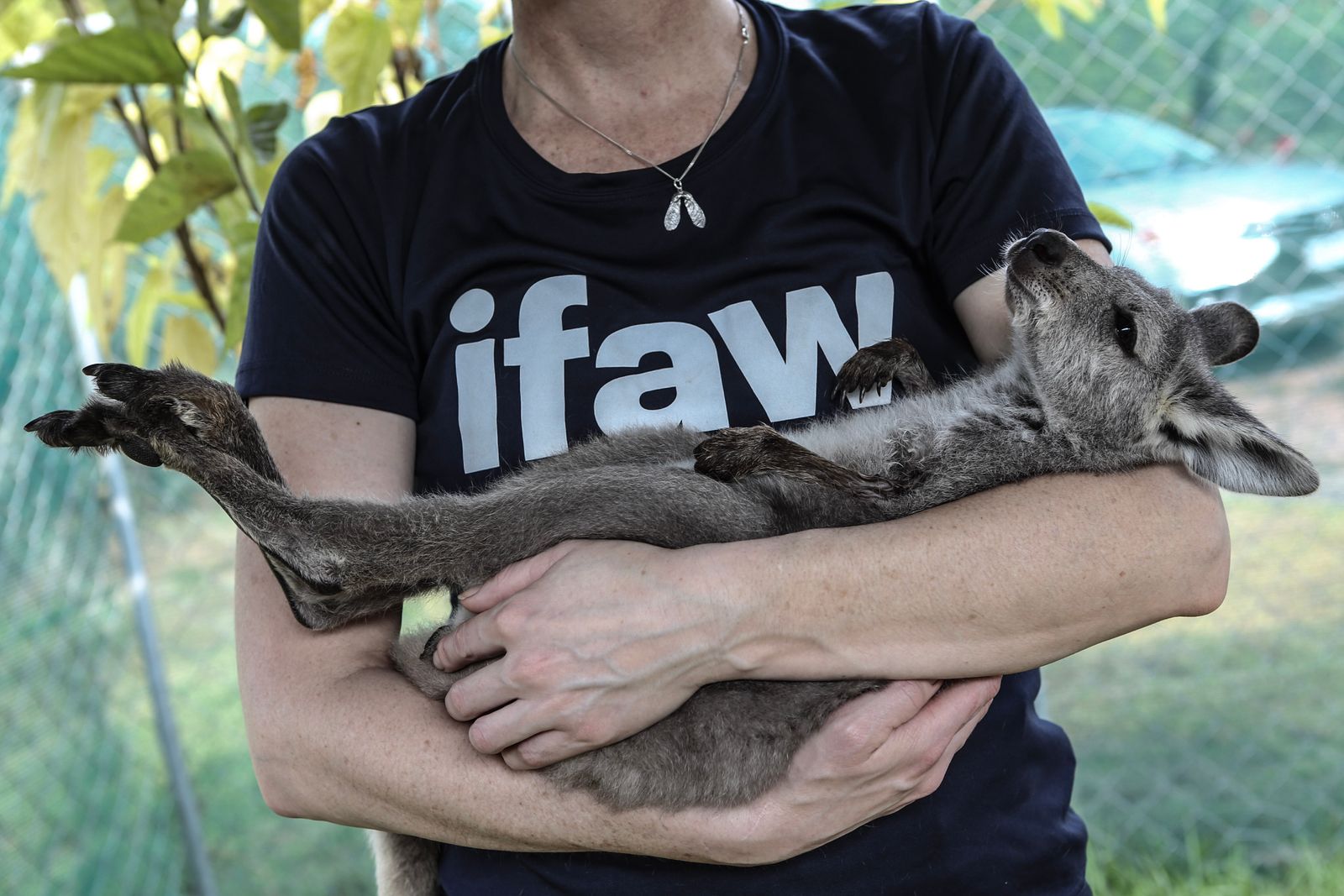
A call comes in and a trained rescuer is dispatched with pouches, a stretcher and warmed fluids. Most of our work happens on roadsides after dark, checking every pouch of every animal we find.
Average response: 41 minutes
02
Raise & rehabilitate
Pinkies feed every three hours around the clock, in a home carer’s laundry, at body temperature, in a hand-knitted pouch. Injured adults recover in quiet paddock yards under veterinary supervision.
8 to 18 months in care
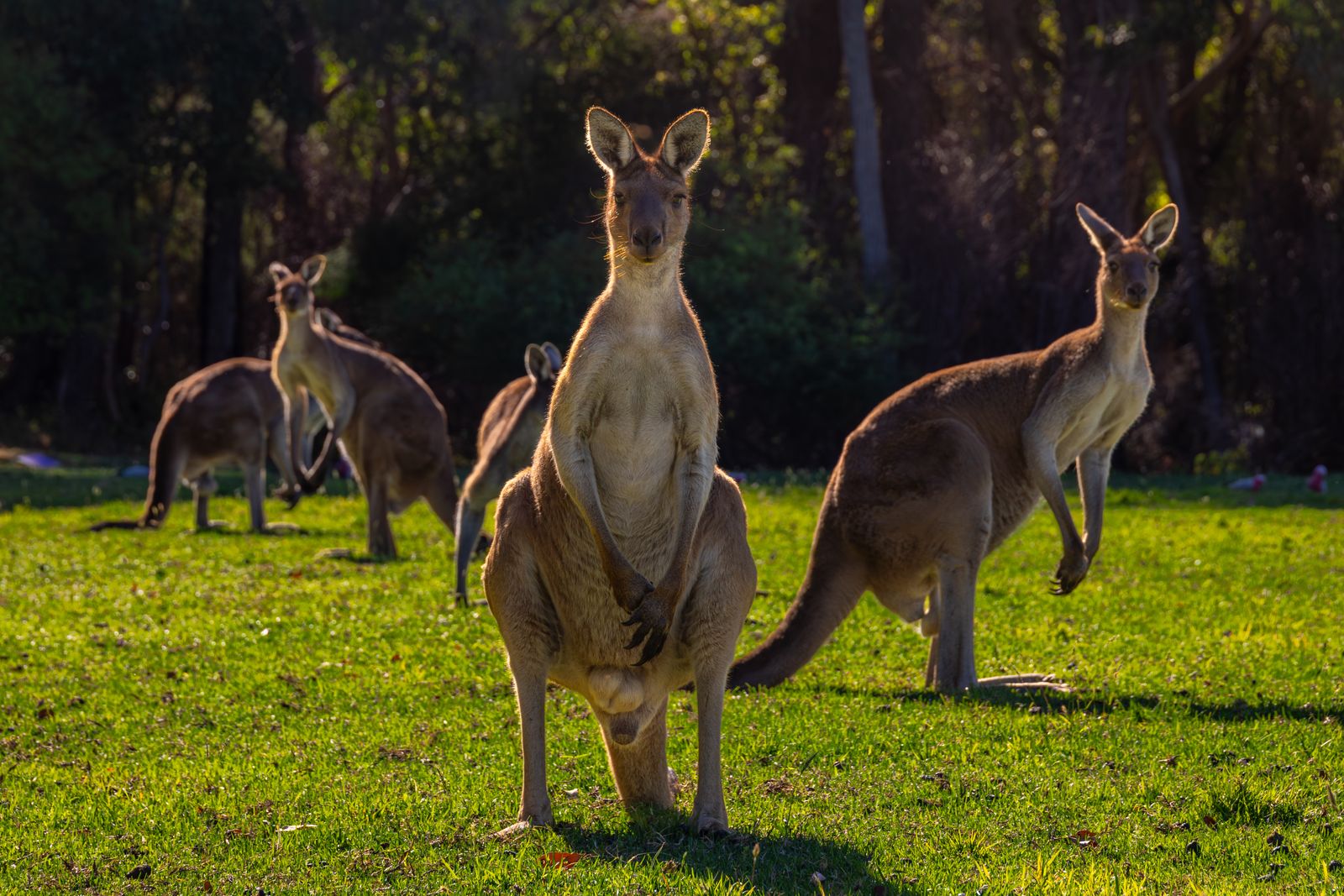
03
Soft release
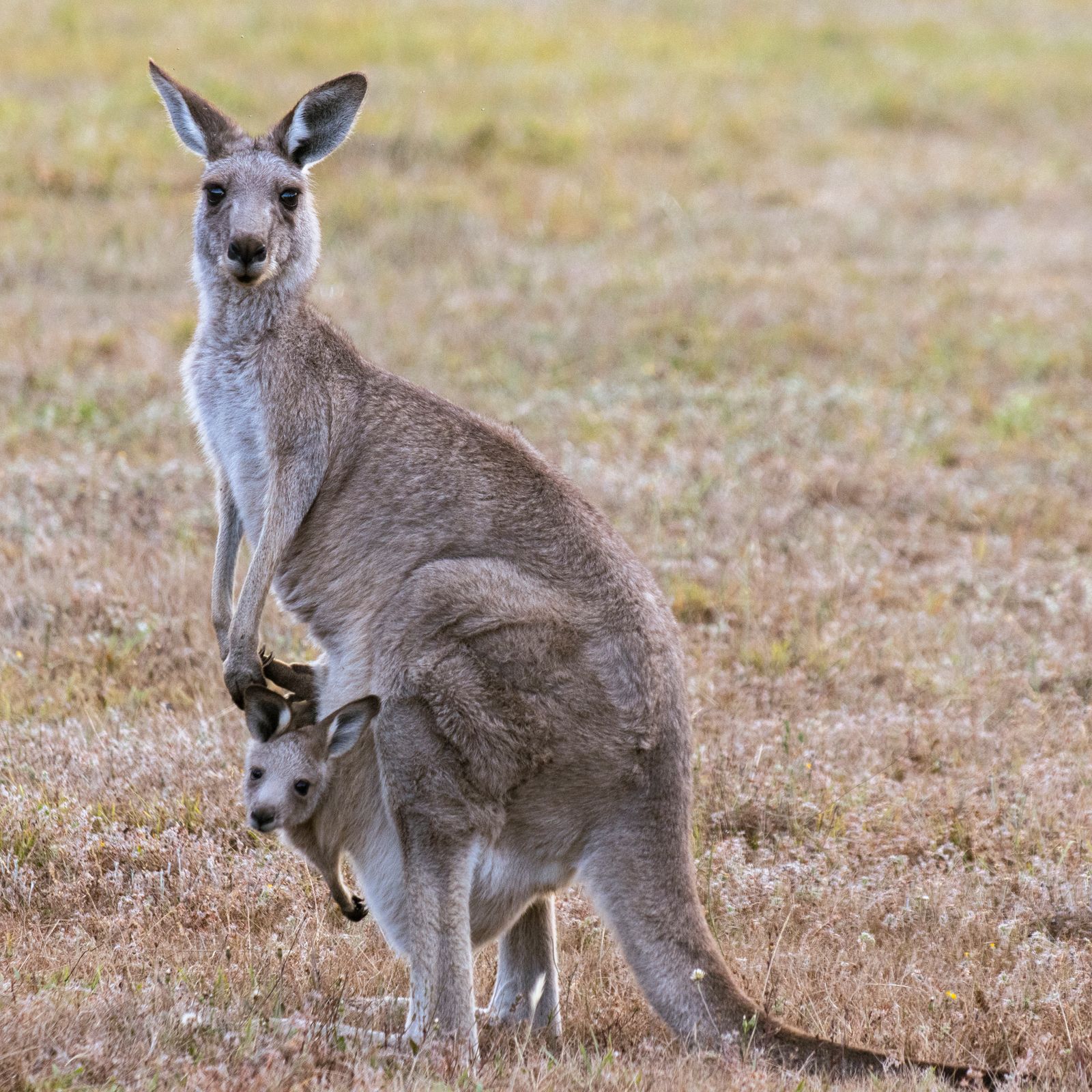
Joeys are grouped into a mob, moved to a pre-release paddock, then let out onto protected private land where supplementary feed and water remain available for as long as they need it.
Monitored for 6 months after release
ANIMAL STORIES
Meet the mob
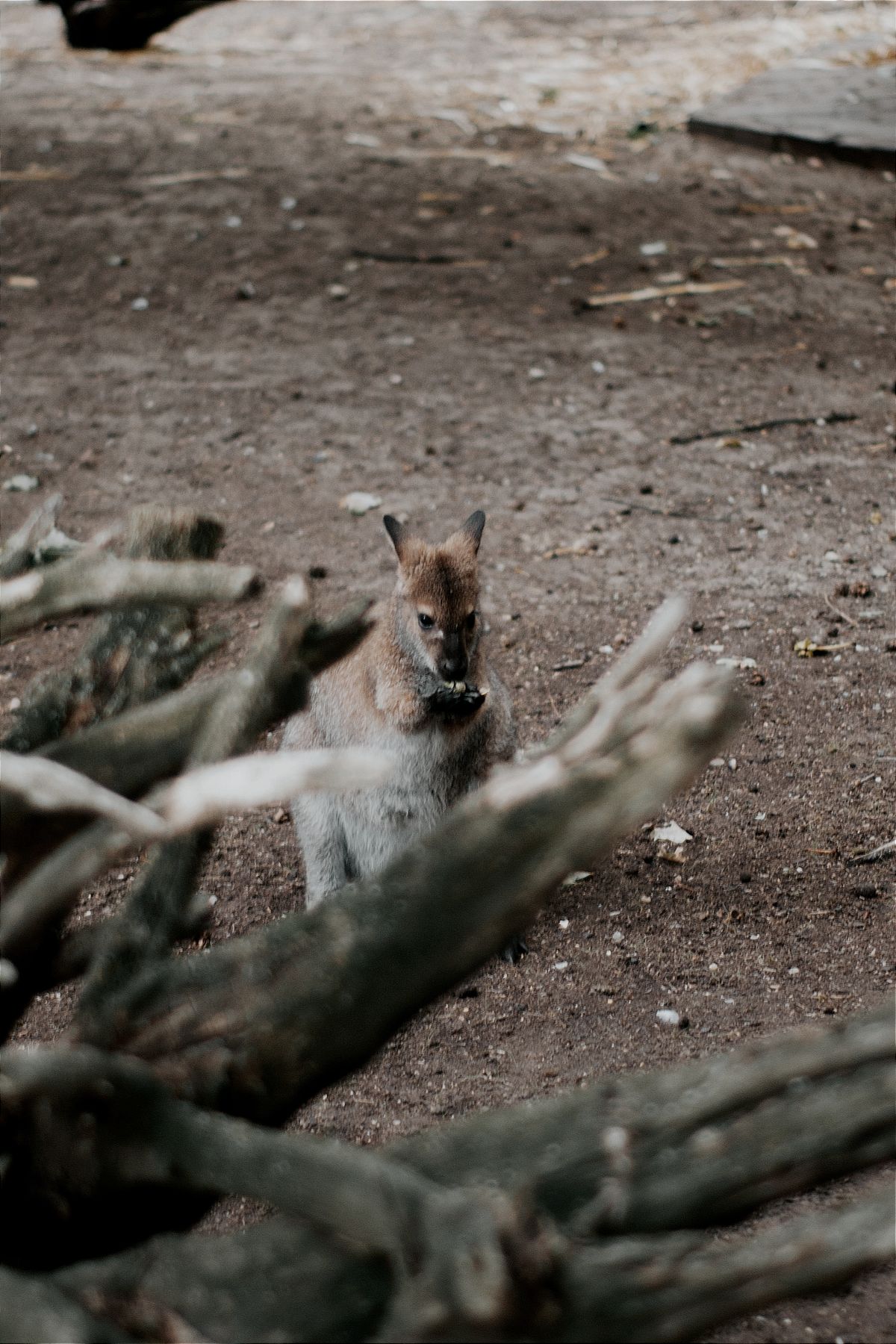
Marlo
Brush-tailed rock wallabies are endangered in South Australia, so Marlo's care is coordinated with...
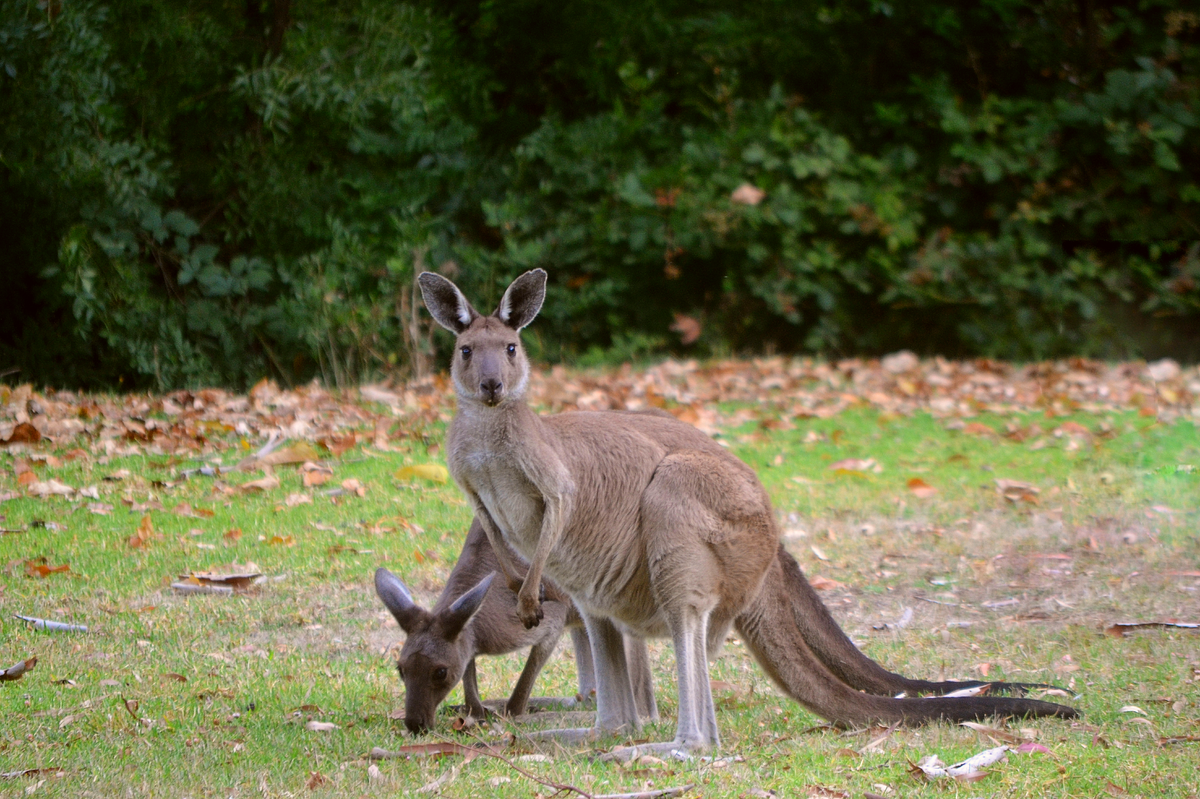
Pippin
At 310 grams Pippin was on the very edge of what hand-rearing can save. A truck driver checked the...
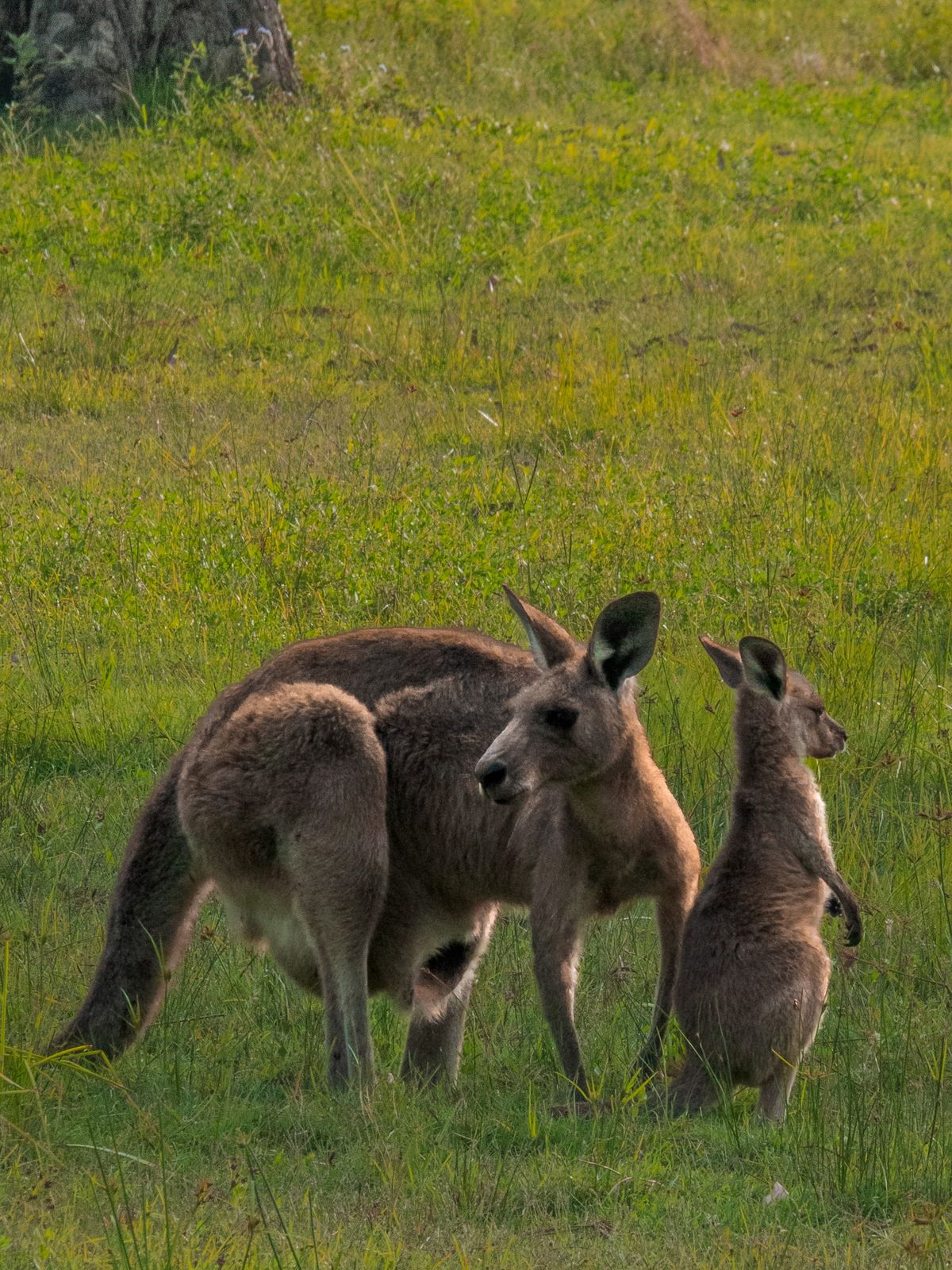
Harlow
Harlow was hit near Mount Pleasant and sustained a fractured foot and severe bruising, with a...
Donate
Milk formula alone costs us more than $4,100 a month. Every dollar goes straight to feed, medication, transport fuel and veterinary bills — nobody here draws a wage.
Volunteer
Carers, rescue drivers, pouch sewers, fence menders and weekend feeders. Full training is provided and you do not need any wildlife experience to begin.
FOUND AN ANIMAL?
What to do in the first ten minutes
If you have hit a kangaroo or found one injured, do not drive on. Our rescue line is answered by a person, every hour of the day, every day of the year.
Pull well off the road, switch on hazard lights and put on something visible before you approach any animal.
A deceased female may still carry a live joey. If it is safe to do so, check, and keep the joey warm and dark until help arrives.
Kangaroos stress catastrophically when handled. Ring our 24 hour line and a trained rescuer will talk you through the next step.